






















![SNAP HAPPY Recording on a GoPro for social media, senior Sam Mellon has recently started a weekly sports podcast. “[Senior] Brendan Feeney and I have been talking about doing a sports podcast forever. We love talking about sports and we just grabbed [senior] Will Hanas and went along with it,” Mellon said.](https://mhsnews.net/wp-content/uploads/2025/04/sam-892x1200.png)
















Scrolling through Tiktok, senior Nicole Odegaard’s eyes glaze over countless clips of Labubus; the creatures have taken over the internet.
“I am the owner of a 24-karat gold Labubu,” Odegaard said, referring to the viral video by @lilzbullzmarbella2.
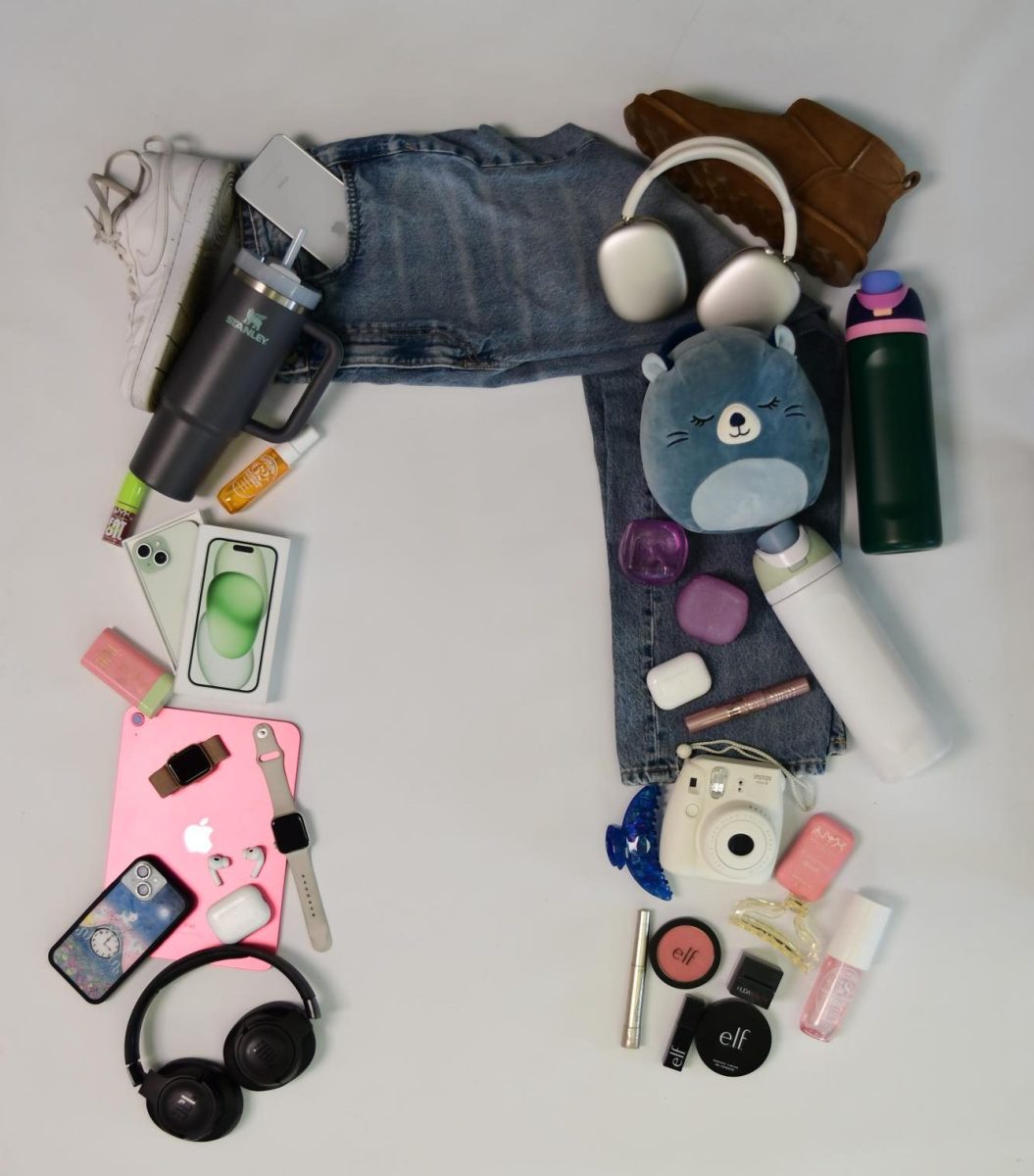
Ugg shoes, Owala water bottles and brand new iPhones are just a few examples of items that are on 2025 Christmas lists. It poses the question: why are so many teens giving in to these short-lived fads?
“We’re so sucked into our phones that we constantly need something new . . . we have a loss of attention span,” Odegaard said. “I feel like we see a lot of that, especially thinking about how many trends there were in the last month alone. It’s insane.”
Throughout the year, there is a constant cycle of desirable items considered “trendy.” During a time of giving, people often gift pop culture items to friends and loved ones. Many choose to spend money on trending items; however, while a quality and thoughtful gift may last several years, trends come and go at rapid speeds.
“I think a lot of people . . . get sucked into the online world and then become obsessed with these certain trends,” Odegaard said.
Pollution is directly impacted by overconsumption, which has been a lasting problem for the environment. Replacing wasteful spending with conscious habits not only saves money, but also environmental damages.
There are many ways we can make positive changes this holiday season. AP environmental science teacher Michael Bakker offers suggestions to remain eco-friendly with sustainable products during the holiday season.
“Reuse wrapping paper. Reuse packaging boxes,” Bakker said. “Don’t buy disposable gifts, stuff that is single-use and [gets] thrown away. Don’t buy fast fashion.”
According to The Quantis International Report of 2024, “The three main drivers of the industry’s global pollution impacts are dyeing and finishing (36%), yarn preparation (28%) and fibre production (15%).” Not only is fast fashion a leading cause of pollution in oceans, but it’s often cheaply made and of poor quality. Rather than buying an excessive amount of a product that will not last, one can buy a few that will last in the long-run.
“You’re better off spending $50 on a shirt that’s gonna be worn 100 times than $10 on a shirt that’s gonna rip after you wore it three times,” Bakker said.
Many feel social pressures to get the newest popular products. Some feel judged. Some feel that they always need to buy the next new “thing.” Despite the rapidly increasing amount of trends, there are other discoverable ways of staying up with the times.
“I’m a very frugal type of person, but I’ve recently been really into thrifting because it’s better for the environment,” Odegaard said.
Thrifting is one of the most sustainable ways to stay on trend. People can buy presents for others without spending a lot of money or promoting fast fashion or brands that slowly damage our ecosystem. One must think about the impact that consumerism has on their surroundings. Odegaard points out three ideas people should consider before a purchase.
“One: ‘will I use this in my everyday life?’ Two: make sure it’s good quality. And three: make sure you really want it,” Odegaard said. “Don’t feel pressured to buy something just because someone else has it.”