












![SNAP HAPPY Recording on a GoPro for social media, senior Sam Mellon has recently started a weekly sports podcast. “[Senior] Brendan Feeney and I have been talking about doing a sports podcast forever. We love talking about sports and we just grabbed [senior] Will Hanas and went along with it,” Mellon said.](https://mhsnews.net/wp-content/uploads/2025/04/sam-892x1200.png)
















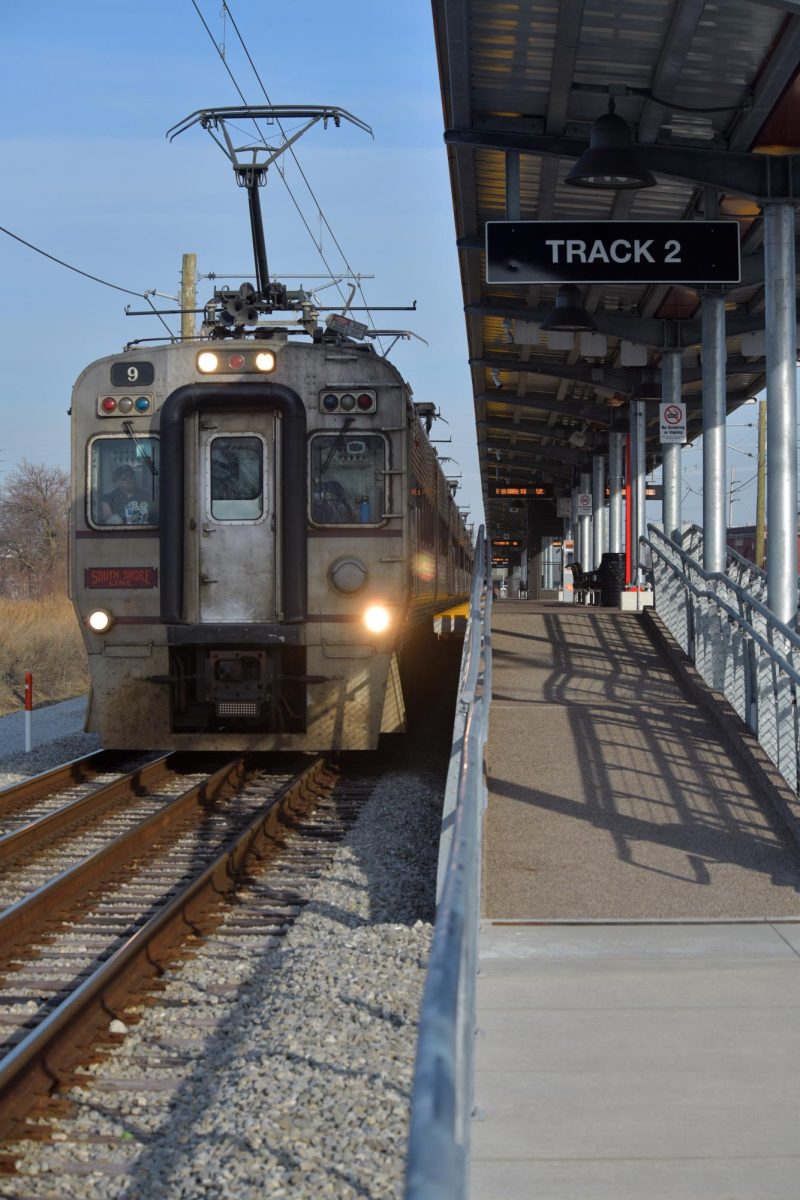
Shuffling through crowds at O’Hare airport, senior Jayce Morton felt eager to board a plane headed to Cancun. But, like many travelers after November 1, 2025, when federal funding was cut, Morton felt the side effects of the longest government shutdown in history.
“TSA crashed out on me because of my boarding pass, and they scared me,” Morton said. “I was like, ‘My fault, bro. You should be getting paid right now.’”
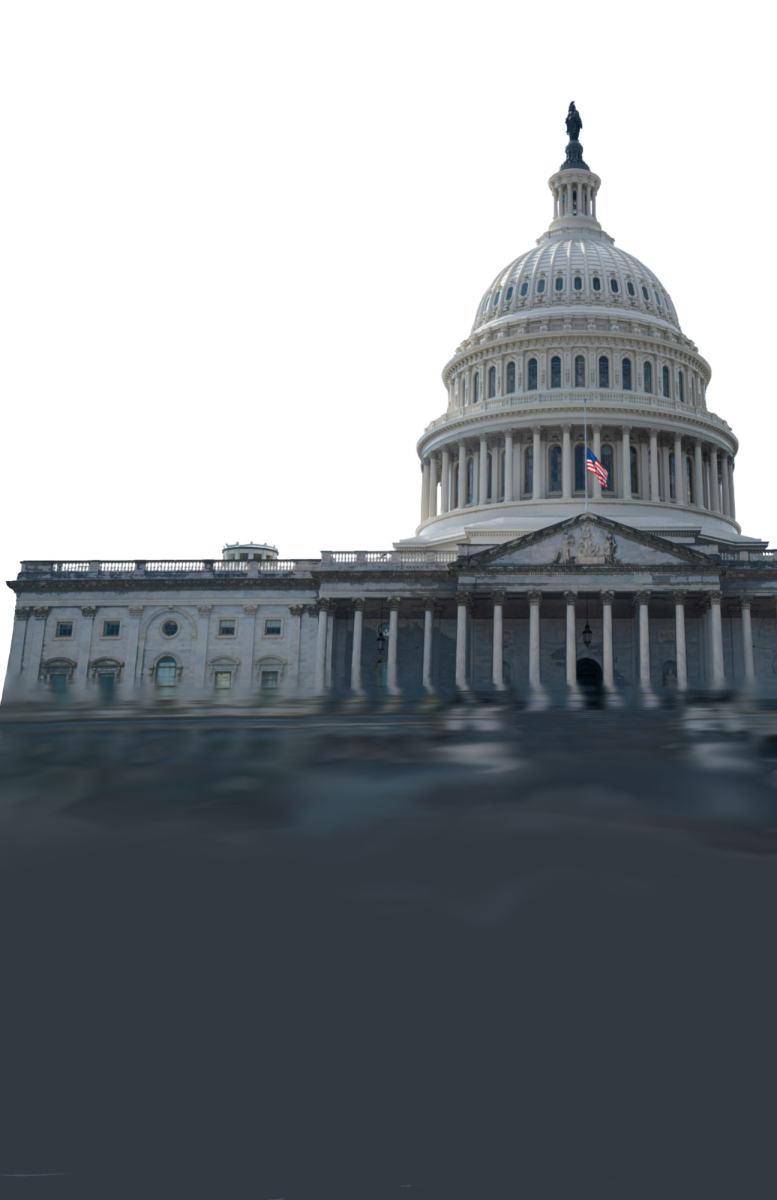
Including while Congress was in and out of session, it took the House 43 days to compromise on passing legislation, appropriating funds towards a wide range of government activities: Social Security, Medicaid, SNAP and other bureaucratic operations such as the TSA. During this time, certain government employees were required to work without pay. Although a partisan deal was reached, Congress must revisit the budget issues in January.
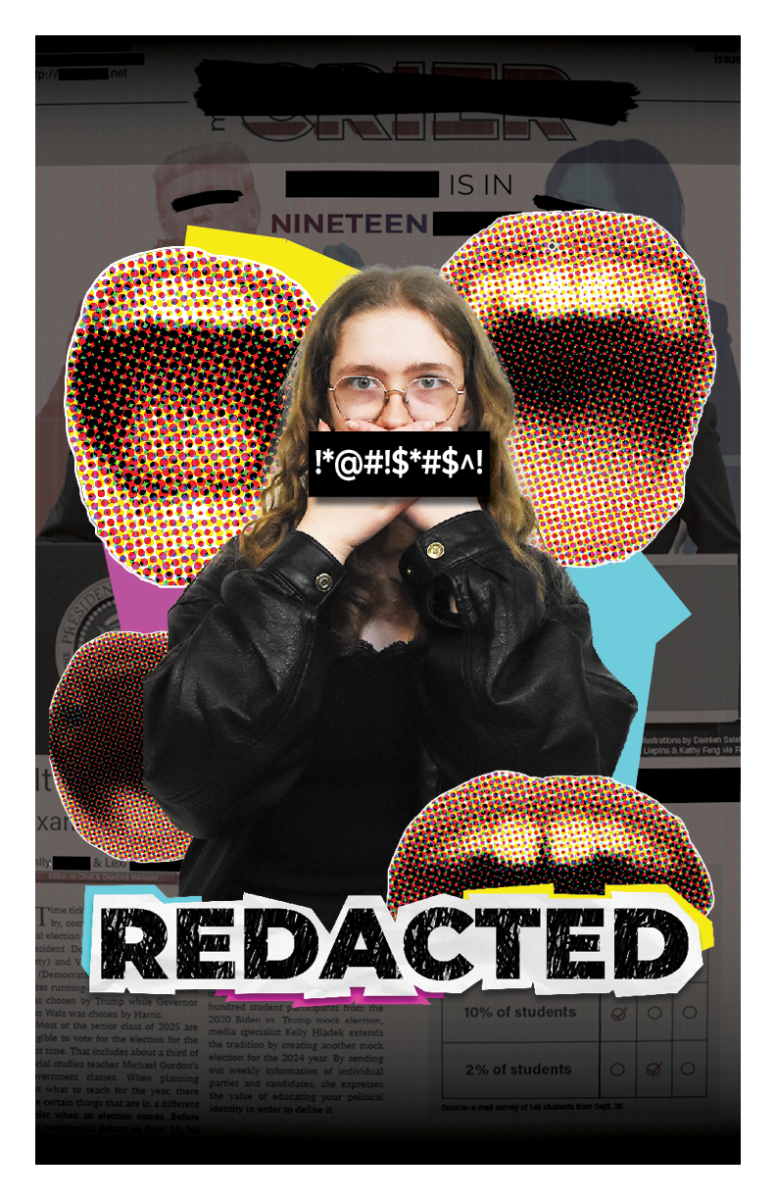
The immediate effects of the shutdown seemed far removed from the hallways of Munster High School. Inside the classroom, however, the impact presented itself differently through a growing sense of frustration and mistrust towards the very system that students will soon be expected to participate in as future voters.
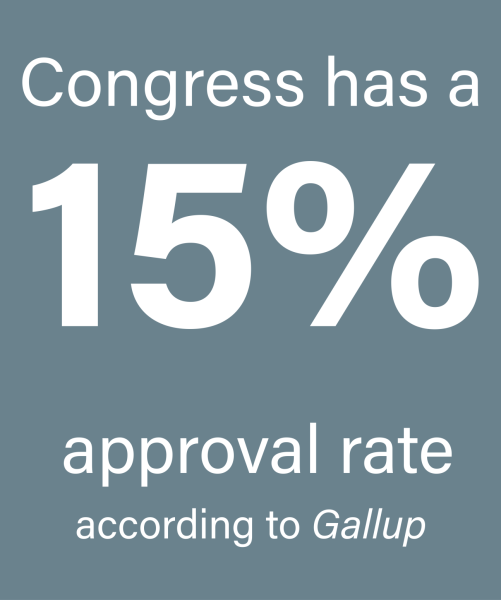
“If you see the government shutdown on the news, the first thing you’re going to think is that they massively screwed up,” junior Ben Carroll said. “The current strategy for American politics is pushing off of the mistakes of the other party.”
Carroll stays up to date on politics and encourages the public to vote for representatives based on policy that benefits them, not by party.
“If American culture changes to prioritize electing representatives they actually feel represent them in policy and voting records, you could have many candidates running against the current ones, especially even within the same parties,” Carroll said. “People won’t just vote down the party line even if it doesn’t benefit them.”
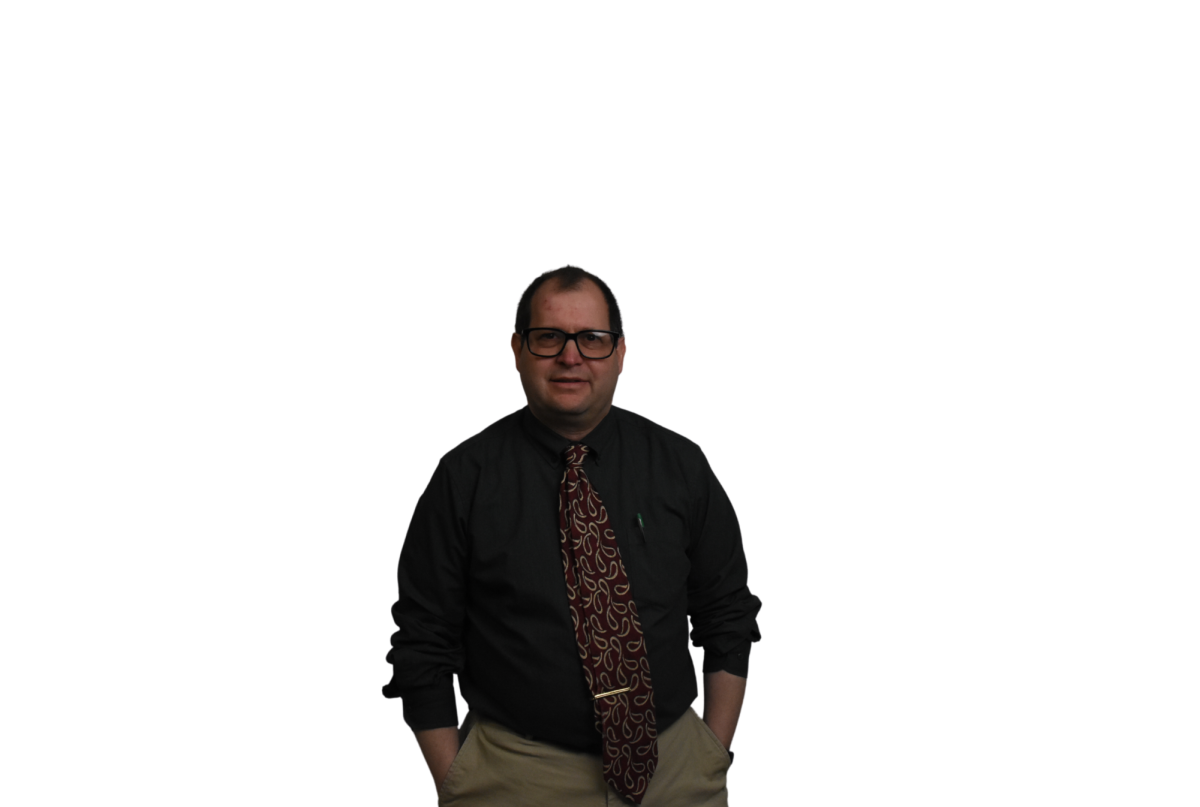
AP government teacher Michael Gordon expands on the idea that the power is in the hands of the people. Gordon believes the shutdown is a symptom of our nation’s state; placing blame on either side gives Americans more of a reason not to be a part of the polity, further creating a national divide.
“We do such a poor job compromising, discussing, engaging; Congress is the institution we created. Our constitutional system essentially said, ‘That’s it, everybody. Sit down. Take a timeout, and we’re going to grow your inconveniences until you guys make some actual grown up decisions,’” Gordon said. “That’s not a distraction; that’s a comeuppance. We’ve earned it: a national spanking.”