







![SNAP HAPPY Recording on a GoPro for social media, senior Sam Mellon has recently started a weekly sports podcast. “[Senior] Brendan Feeney and I have been talking about doing a sports podcast forever. We love talking about sports and we just grabbed [senior] Will Hanas and went along with it,” Mellon said.](https://mhsnews.net/wp-content/uploads/2025/04/sam-892x1200.png)


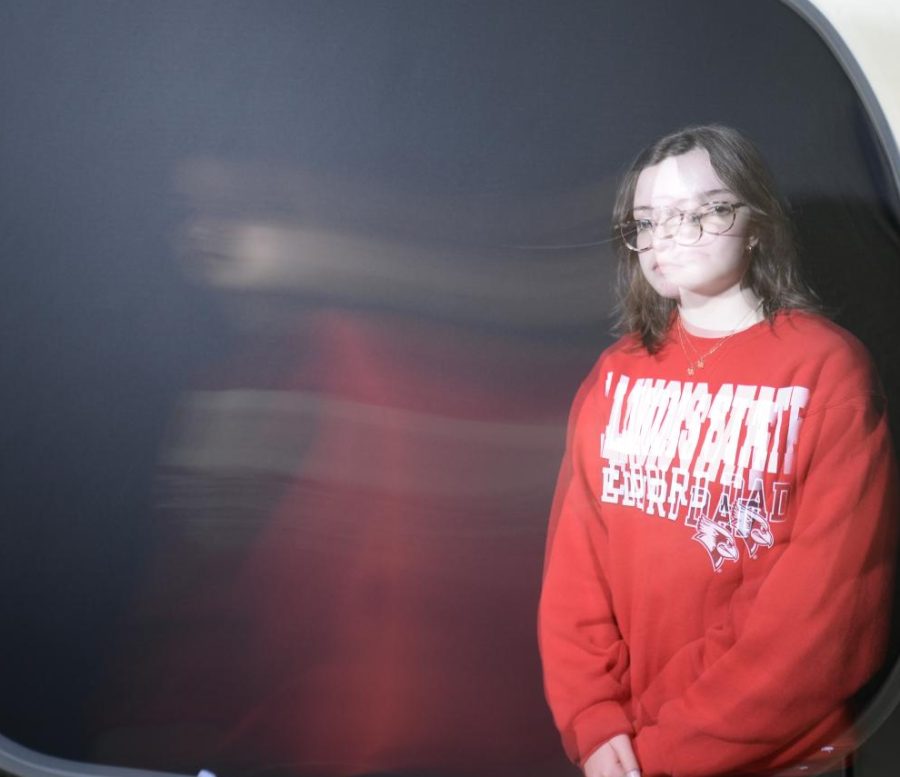






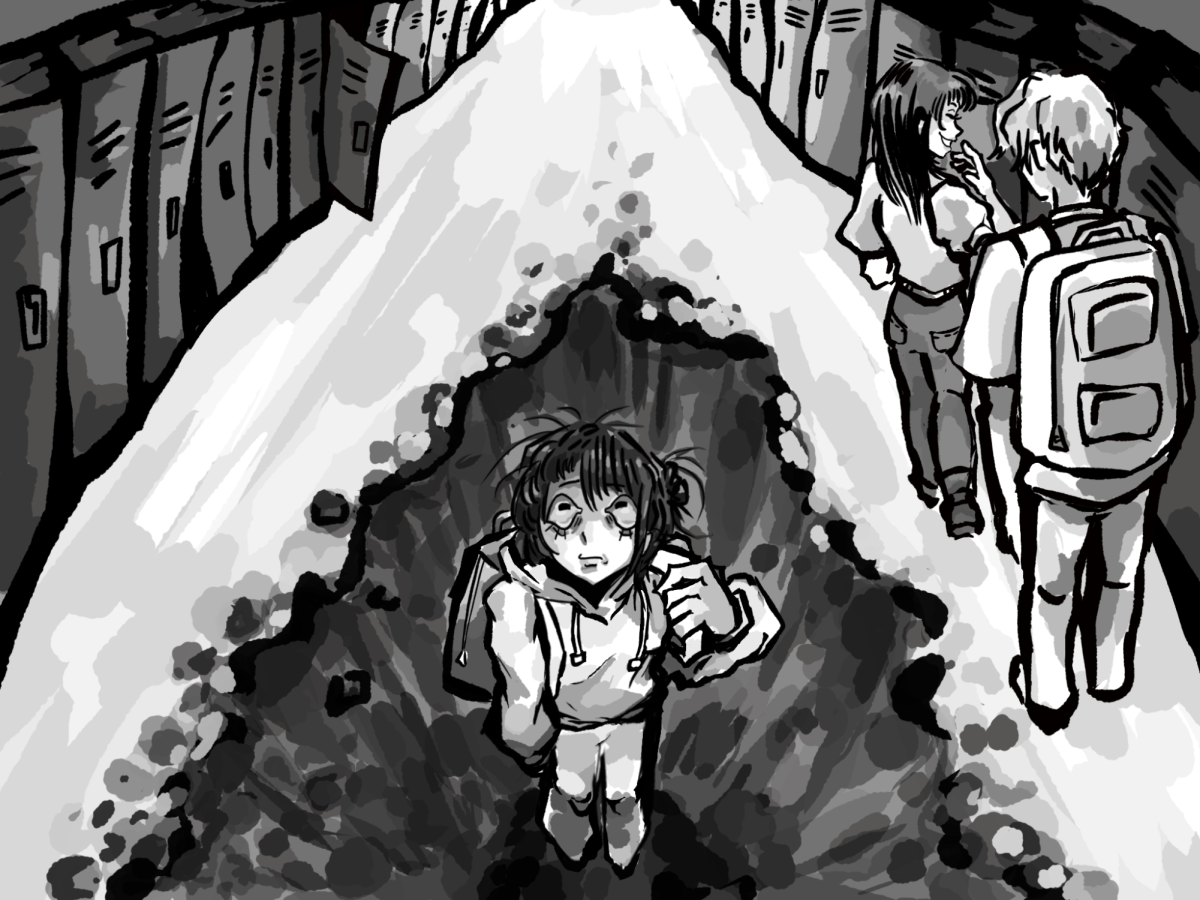
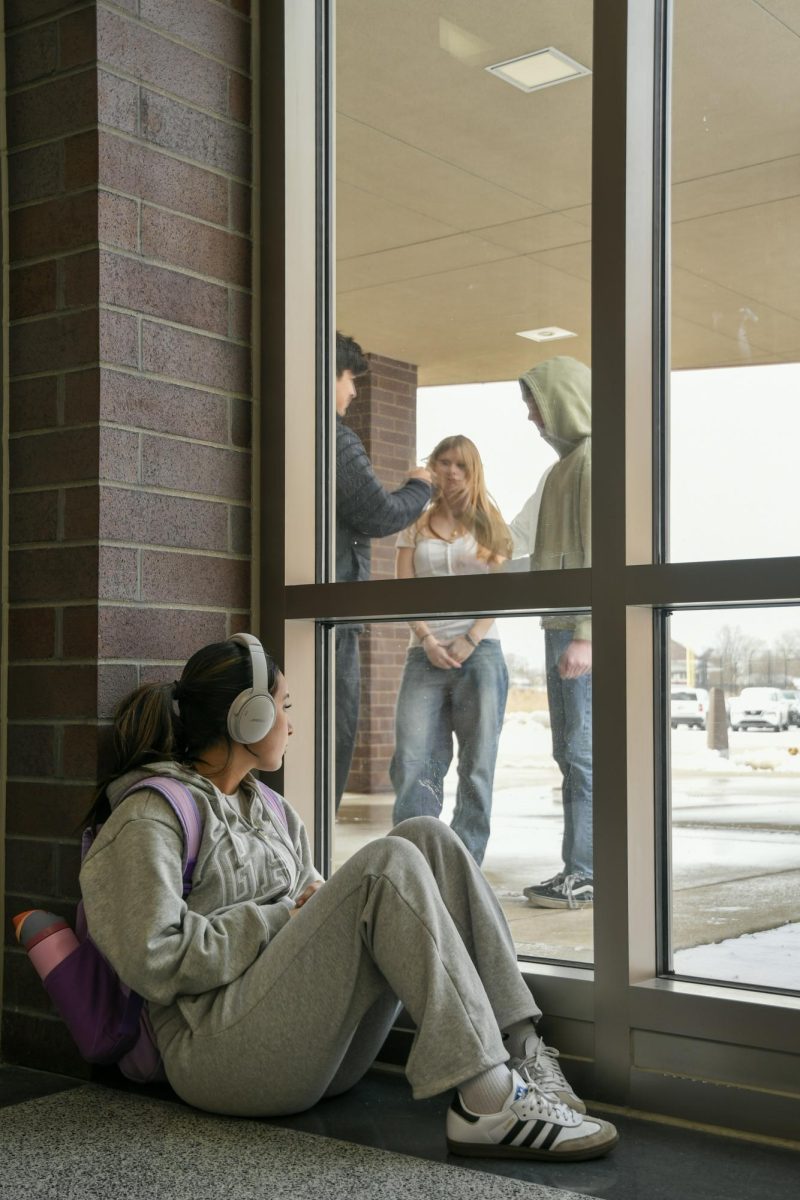
After a 2-week break full of relaxation and festivity, the first semester of the school year fades into the next. As winter temperatures reach severe, bitter lows, portions of the student body are brought down as well. With a dense chill in the air comes seasonal depression; among affected students, academic success may seem just out of reach as their moods are dampened.
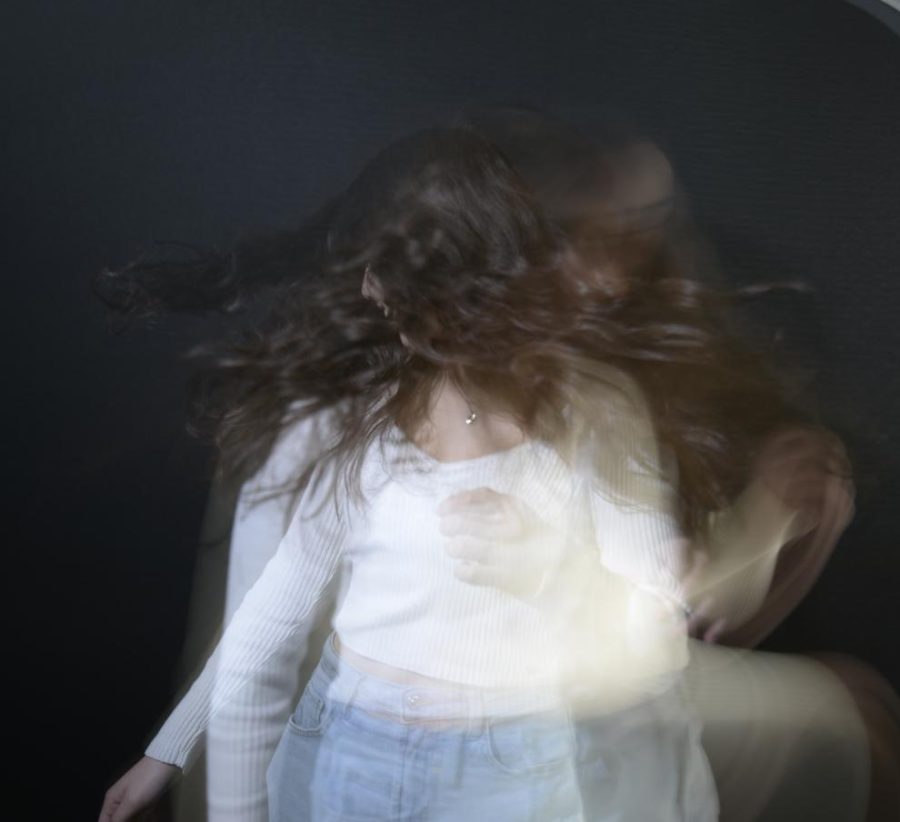
“Some days, I can do schoolwork and focus on it, but on other days, it feels like I’m in a cloud: I can’t see or do anything with school,” sophomore Rihanna Ross-Morgan said. “It’s intense brain fog. It’s like I’m in a bubble, and the bubble is in a dense forest.”
This unanimous lack of willpower is not uncommon or new; as mental health concerns have gradually been brought into the limelight over the years, they’ve become explanations for several phenomena regarding grades and attendance.
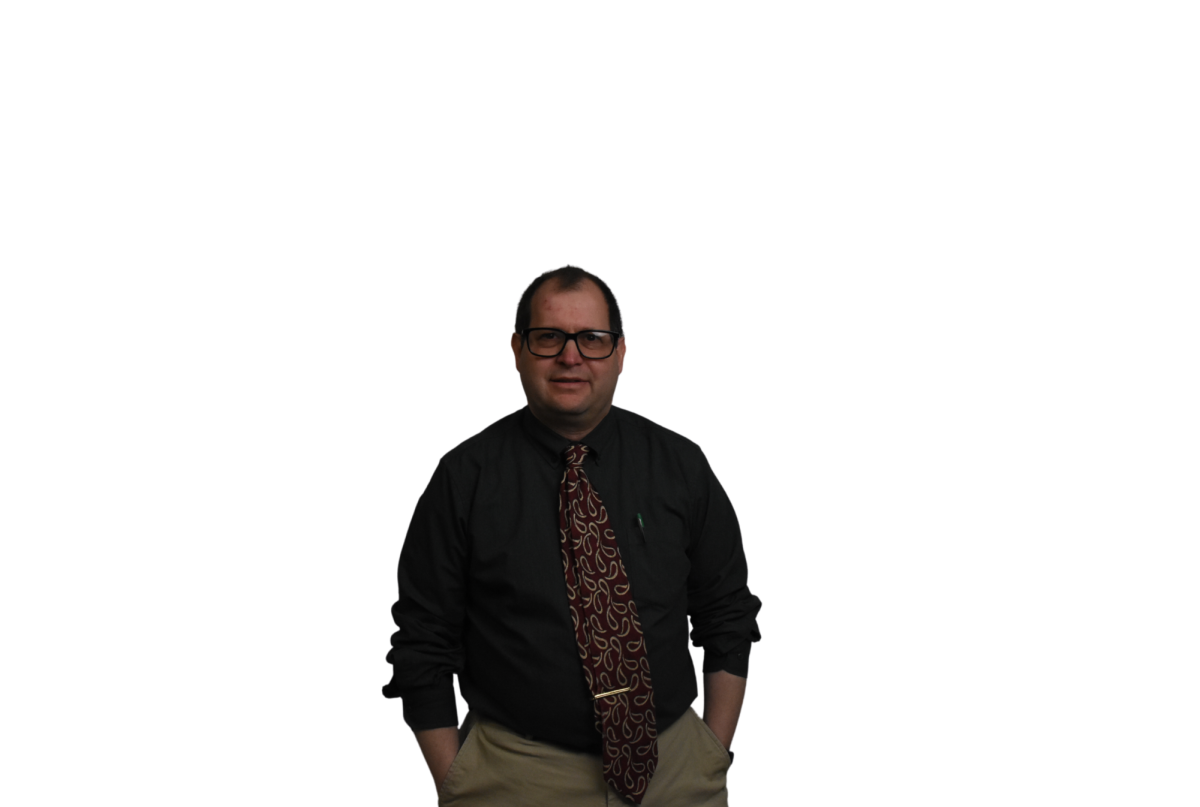
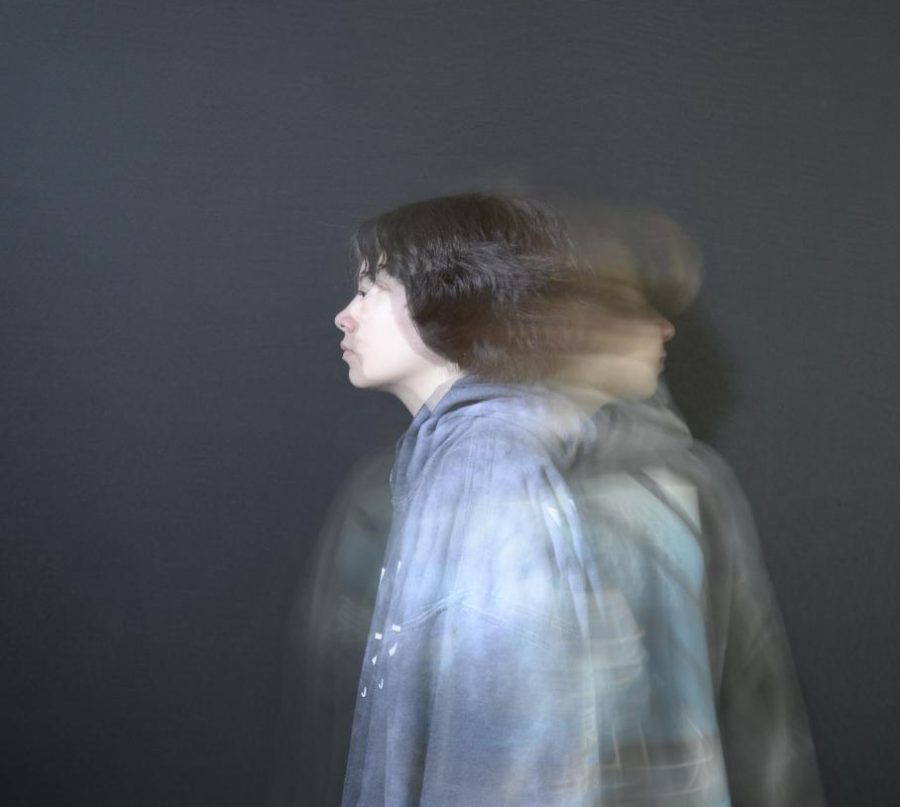
“I have been a sponsor of clubs for thirteen years, and I have noticed a dip in attendance during the winter months every single year,” mental health club sponsor Ben Boruff said.
Especially in the colder months, mental challenges can result in struggles when adapting to change: for some, adjusting to new schedules and staying optimistic for the rest of the school year proves debilitatingly stressful.
“There’s no drive to try in my classes because it feels like there’s nothing to really look forward to,” Ross-Morgan said. “It’s hard. It feels like a tipping balance beam from one end of the school year to the other.”
Depression often results in noticeable changes outside of school as well, which frequently carry over into the social lives of students.
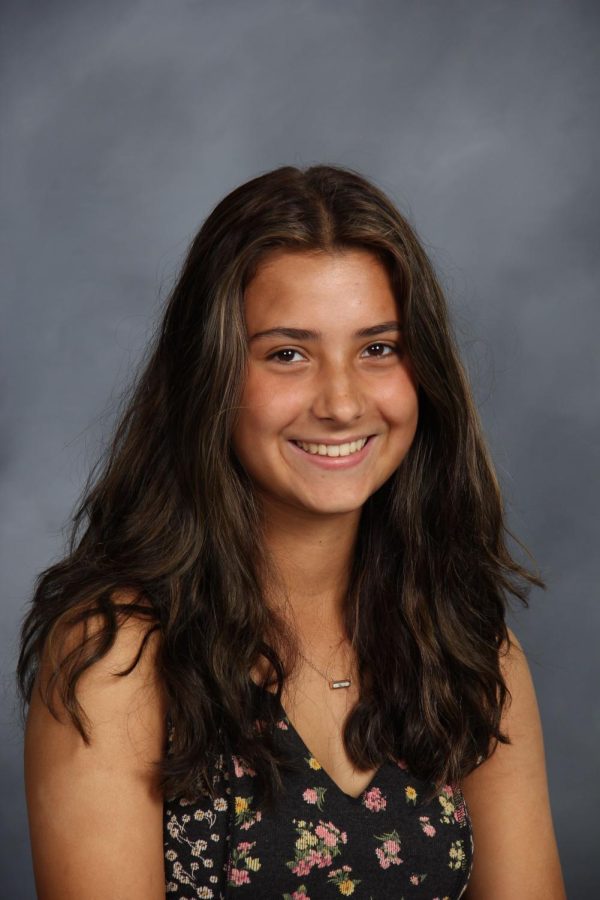
“I feel numb, and then the big stuff starts happening: I lose my appetite and start pulling away from my friends and family as the result of feeling unmotivated to do things,” junior Mya Major said.
Despite the fact that the school offers existing mental health services, students affected by seasonal depression may feel reluctant or unmotivated to reach out.
“Yes, we have deans, teachers and other adults, but I personally don’t fully trust them to open up to them,” Major said.
Members of mental health club, among other students, maintain their own visions of what more MHS could do to accommodate student needs.
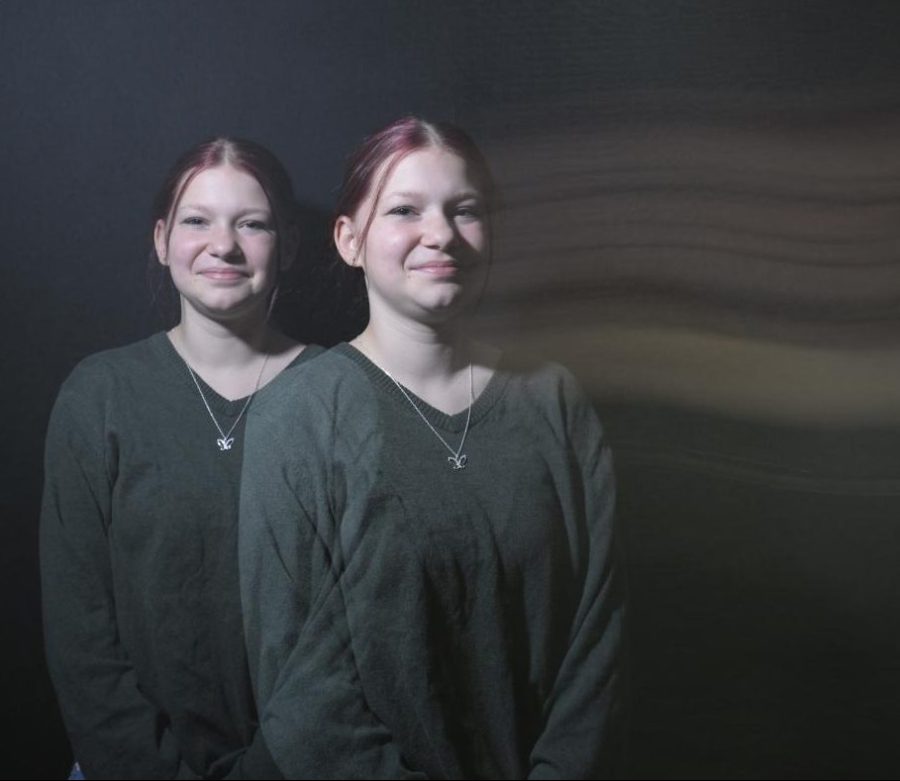
“Students shouldn’t have to be at their worst to request help. Something like ‘drop-in hours’ that allow confidentiality for students to feel safe seeking help when needed can definitely make many feel better,” senior Ayla Fragoso said.
Struggling students, as well as staff and faculty who may also experience difficulties, are encouraged to create support systems in the school and express patience among themselves. As the school continues to embrace mental health awareness efforts, academics may become more approachable for affected students as winter inevitably becomes spring.
“Self-blame only fans the flames of depression. We should be accountable, yes, but we should also be kind to ourselves and realize that it’s okay to have a bad day,” Boruff said. “Sometimes, just getting out of bed and moving through our day is a victory.”