








![SNAP HAPPY Recording on a GoPro for social media, senior Sam Mellon has recently started a weekly sports podcast. “[Senior] Brendan Feeney and I have been talking about doing a sports podcast forever. We love talking about sports and we just grabbed [senior] Will Hanas and went along with it,” Mellon said.](https://mhsnews.net/wp-content/uploads/2025/04/sam-892x1200.png)










You walk into a museum. It costs $30. You pay the fee and explore. As you begin to walk into an exhibit, you’re stopped by a museum worker.
“This exclusive exhibit costs an extra $10.”
You find yourself stopped at every other corner, being told the same scripted line.
This was my experience at the Field Museum. Despite the fact that I still enjoyed myself, I couldn’t shake the feeling that it was wrong to put a paywall in front of education. With this practice, businesses discourage people from learning new things and force them to limit their knowledge to high school history classes.
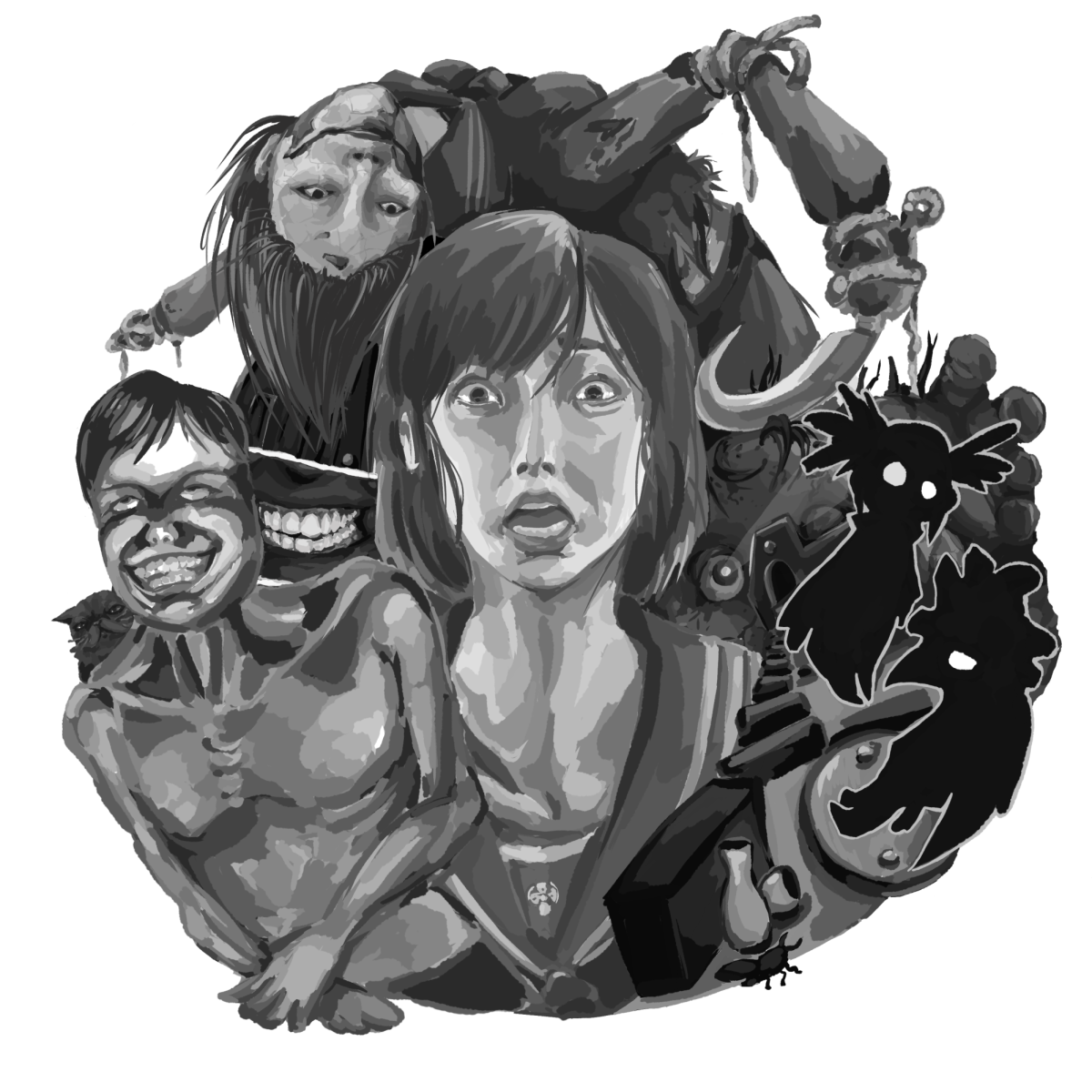
Looking at the bigger picture, museums costing money as a whole makes me question the ethics of some of their exhibits. During that same trip, I noticed one of the exhibits focused on Native American history. I was excited to learn about such an important subject until I saw signs covering the artifacts. The signs read: “Not displayed currently, under review of code of ethics.” That left me wondering how ethical it is to profit from someone else’s deep rooted culture and history.
On one hand, it is powerful to reveal the sad truths of our past for only $30; however, museums display summaries of centuries of history and then put a price tag on them, profiting from stories told on the same stolen land they’re discussing. The more I dwelled on it, the more it reeked of irony and greed.
This problem extends beyond museums. In fact, I have found that, at every turn, I have a fee thrown in my face.
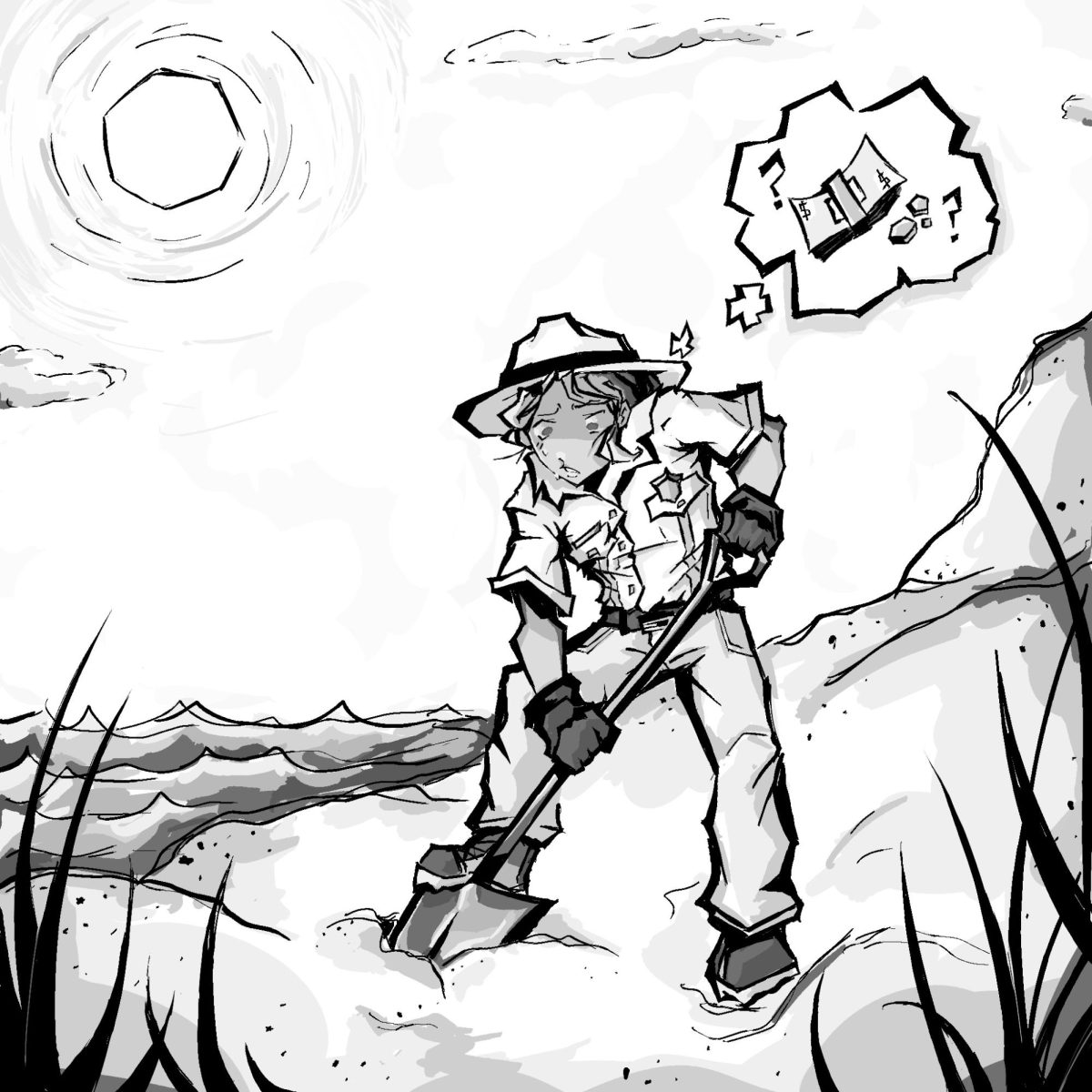
I see an article and click to read more, only to be stopped with “Subscribe to The New York Times at a low price of $10 a month!” When I think about it, I realize how much information I’ve been robbed of due to paywalls: How many others have missed out on expanding their knowledge due to the cost?
As a journalist, seeing important news hidden behind a paywall scares me for the next several generations. If people can’t access multiple sources about current events, they will make uninformed opinions in the future. This is not at the fault of publications; many news outlets are severely underfunded and have no choice but to charge in order to pay their journalists. There is no easy way to fix this problem. There has to be an easier way to fund publications and museums.
Despite everything, there are still ways to access education for free. Visiting libraries is a great option. People can also seek out non-profit organizations to expand their knowledge as much as possible. By doing this, people are not only staying in the loop, but also supporting free and accessible news which benefits everybody.